2026-11-07 ·
How Often Should You Pump a Septic Tank in Berkeley County
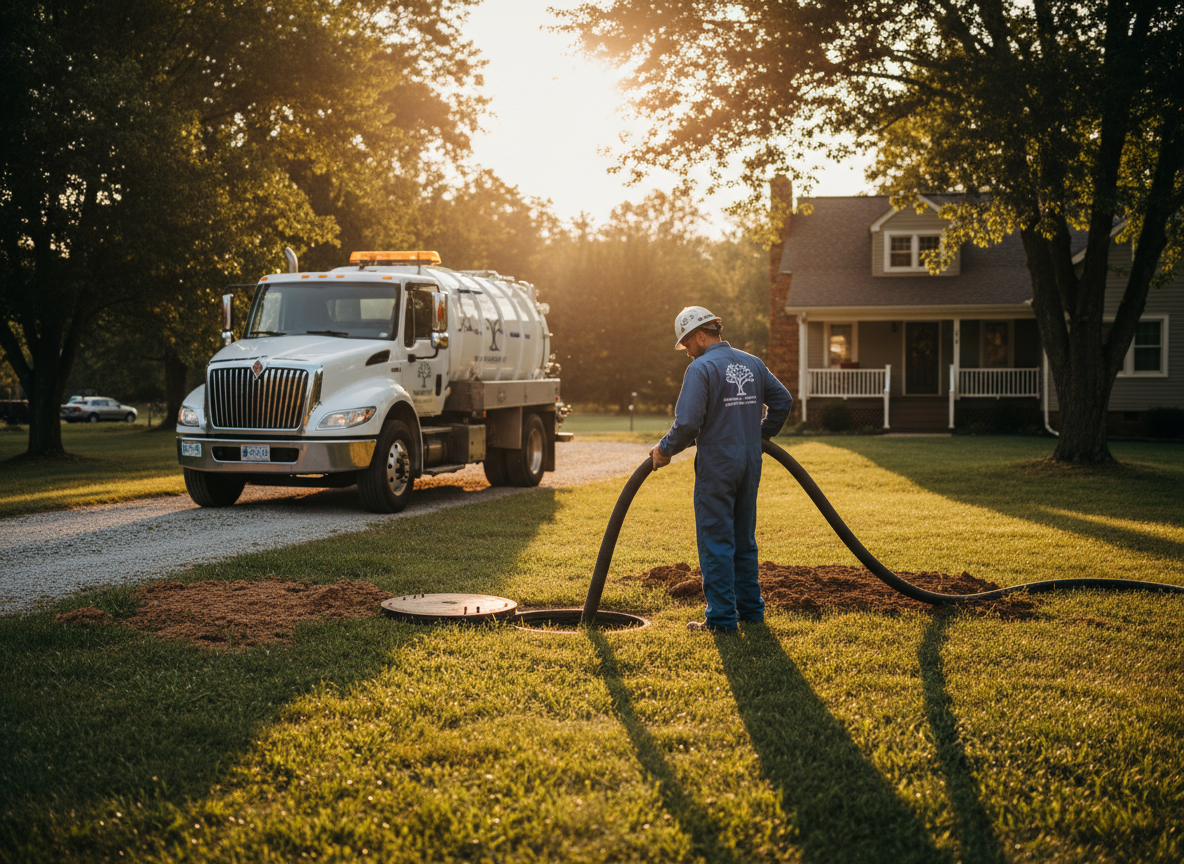
Homeowners in Berkeley County typically need to pump their septic tanks every 3 to 5 years. Household size, water use, and the karst limestone terrain common across the Eastern Panhandle all influence that range. Properties on rural lots often see faster solids buildup because limited drain field space leaves less room for liquids to disperse. Frozen ground during winter months can also slow bacterial breakdown, pushing some systems closer to the shorter end of the interval.
How Berkeley County Soil and Climate Change Pumping Needs
Karst limestone underlies much of Berkeley and Jefferson Counties, creating fissures that allow wastewater to move unpredictably. This geology can shorten the time between pumpings compared with areas that have deeper clay soils. Humid continental weather brings heavy spring rains that saturate the ground and reduce absorption, while winter freezes can compact material inside the tank. Rural lots in North Martinsburg and surrounding areas frequently have smaller drain fields sized for older homes, so solids reach critical levels sooner. Checking sludge depth twice a year with a measuring stick gives owners a direct reading rather than relying on calendar estimates alone.
Practical Homeowner Checks Between Pumpings
Walk the drain field every few months and note any soggy patches or odors near the surface. Inside the house, slow drains or gurgling toilets often signal that the tank is nearing capacity. Keep records of water use, especially after holidays when visitor numbers rise. Avoid flushing wipes or pouring grease down drains, as these accelerate solids accumulation in the tank. For systems near the Martinsburg Roundhouse or along older streets in Downtown Martinsburg, tree roots from mature landscaping can also intrude on lines and reduce effective volume.
When to Schedule an Inspection Alongside Pumping
An inspection performed at the same time as pumping reveals whether baffles or filters need attention before problems reach the drain field. Septic inspection visits often uncover minor issues such as cracked lids or misaligned risers that would otherwise go unnoticed until a backup occurs. Owners planning to sell can combine the two services to satisfy buyer requirements without separate visits. The real estate septic inspection process in West Virginia follows similar steps but adds documentation for the closing file.
Connecting Pumping Frequency to Long-Term System Health
Regular pumping protects the drain field from premature clogging, especially on lots where karst features limit soil depth. Pairing each pumping with septic filter cleaning keeps effluent clearer and extends field life. Homeowners who track pumping dates and sludge measurements over several cycles can adjust the interval to match their actual water habits rather than generic statewide averages. In the Eastern Panhandle, where many systems sit on older rural parcels, this data-driven approach prevents both under-pumping and unnecessary service calls.